
By Shoshana Cenker
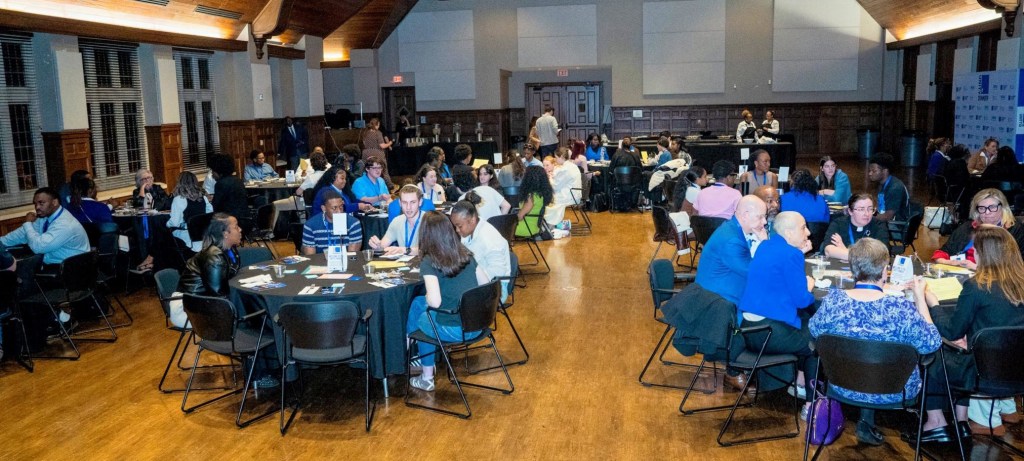
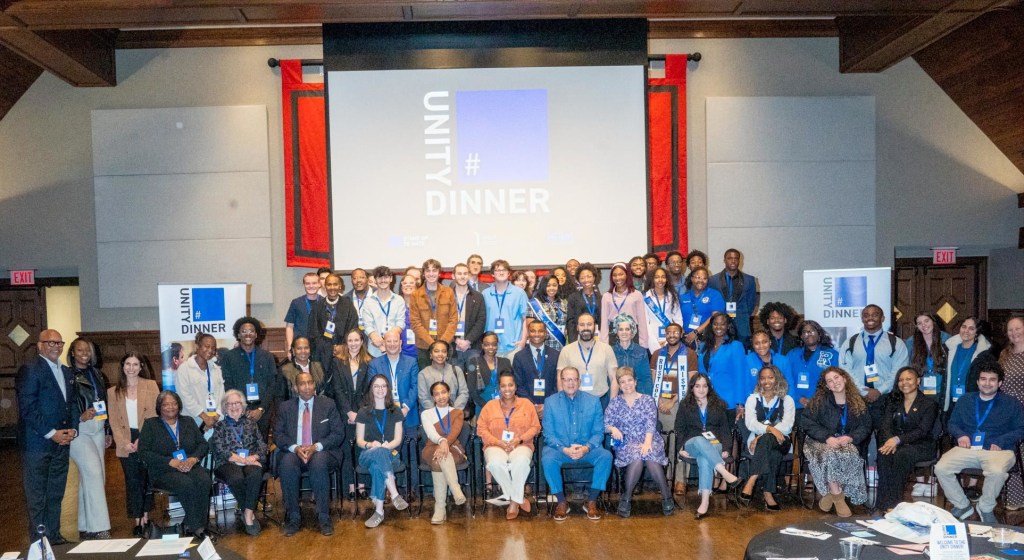
At the end of February, something powerful happened around dinner tables. Nearly 90 Black and Jewish college students, administrators, and Jewish community leaders joined together at Rhodes College in Memphis for a Unity Dinner. The event was designed to promote conversation, build relationships, and strengthen the connection between the groups with a shared history of partnership during the Civil Rights Movement.
The brainchild of Dr. John H. Eaves, founder and director of Black and Jewish Leaders of Tomorrow, the Unity Dinner concept began with a “gather grant” from the Jewish Federation of Greater Atlanta. “As a Black and Jewish American who lives in Atlanta,” said Dr. Eaves, “I saw a need for Blacks and Jews to come together three years ago. Based on my background as a college instructor, I wanted to focus on bridge-building efforts on college campuses, and I envisioned a forum for courageous conversations between Jews and non-Jews over a meal.”
Now a national collaboration known as the “Tikkun Olam Initiative” between the United Negro College Fund, Blue Square Alliance, and Hillel International, the dinners aim to connect students from Historically Black Colleges and Universities (HBCUs) with Hillel students through exploring shared values and confronting prejudice. The Memphis event comes on the heels of dinners in Atlanta, Baltimore, Houston, New Orleans, Philadelphia, and Washington, DC.
Memphis Jewish Federation and Hillels of Memphis immediately seized the opportunity to host a Memphis dinner. “When we first learned about the initiative, we were so excited because we knew the Unity Dinner needed to be in Memphis,” said Sara First, Federation’s community relations manager.
Dr. Eaves agreed, “Among the cities in which we have held Unity Dinners, Memphis is unique. It’s the place that Dr. Martin Luther King, Jr. was assassinated in 1968. It’s an ideal place to rekindle the dream that King had for a beloved community. It was also the end of a golden era of Black and Jewish allyship demonstrated during the Civil Rights era that must be restored.”
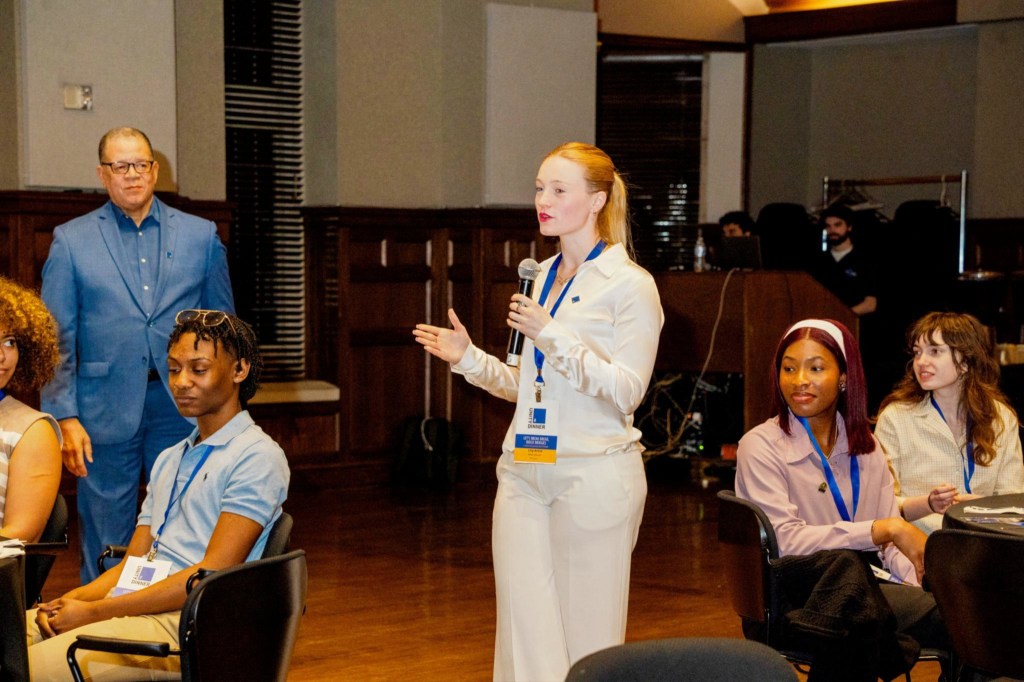
Memphis Mayor Paul Young and Rhodes College President Jennifer Collins opened the Memphis meal with remarks recognizing the students for attending an event designed to challenge their thinking and foster change and partnership in Memphis and the Mid-South.
“The Unity Dinner was an amazing experience where so many different individuals, from different places and backgrounds, were able to come together and bond over our shared humanity,” noted Annabelle Terner, Rhodes Hillel student president. “The night was filled with joy, reflection, and learning.”
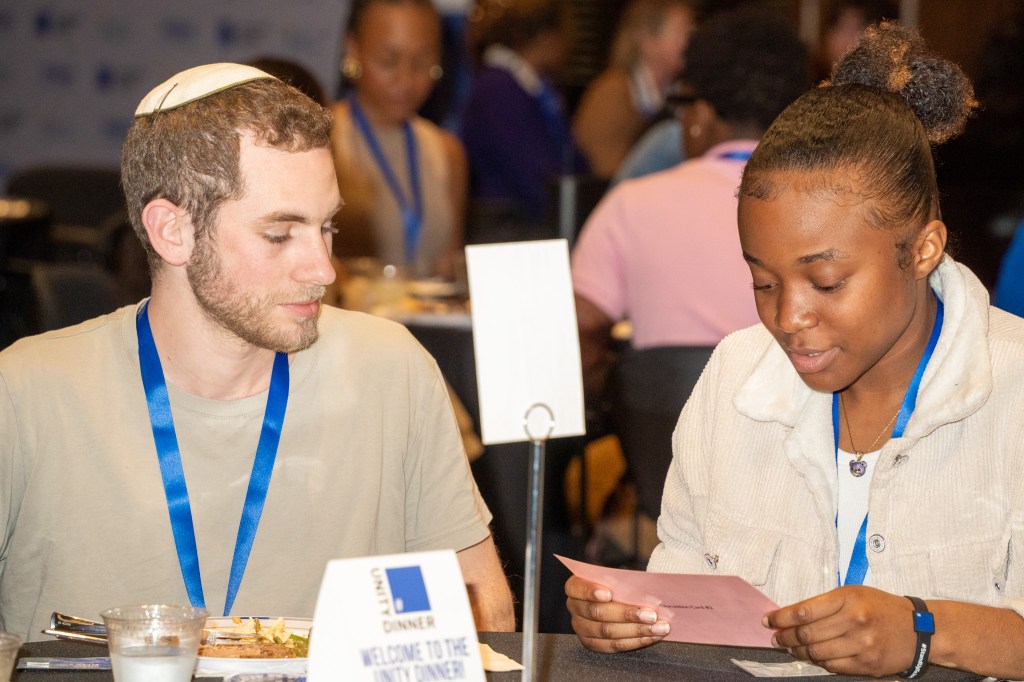
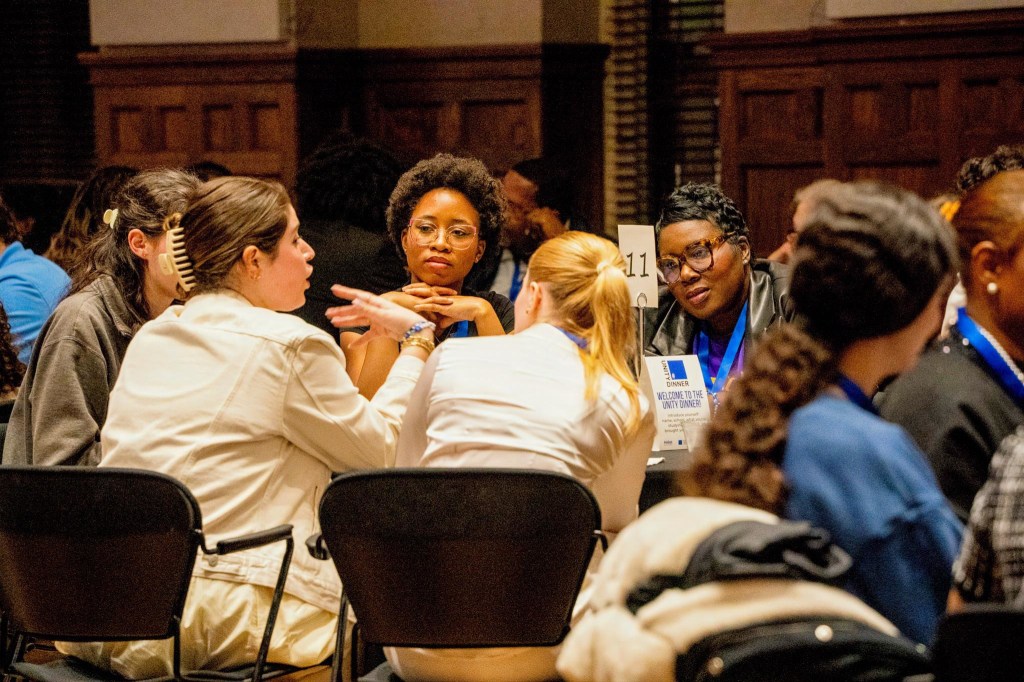
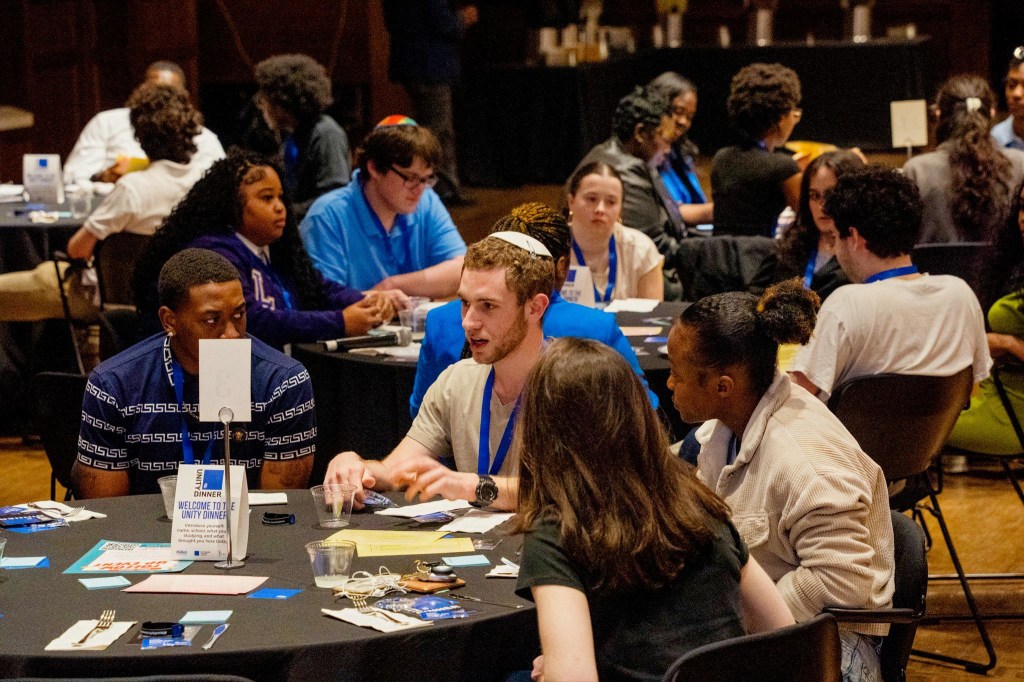
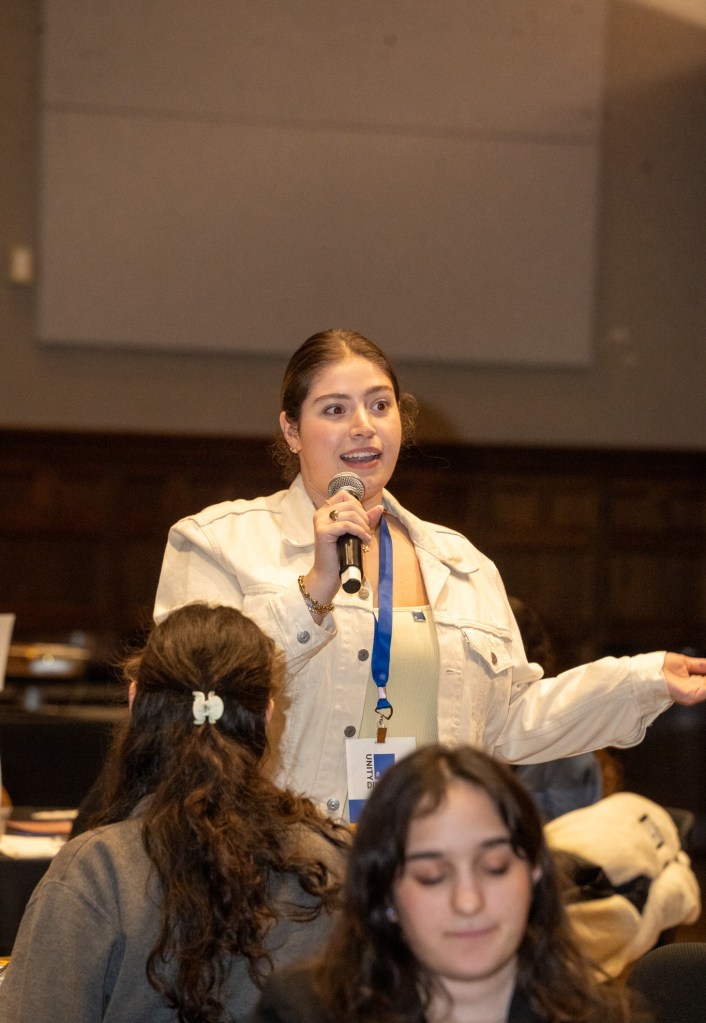
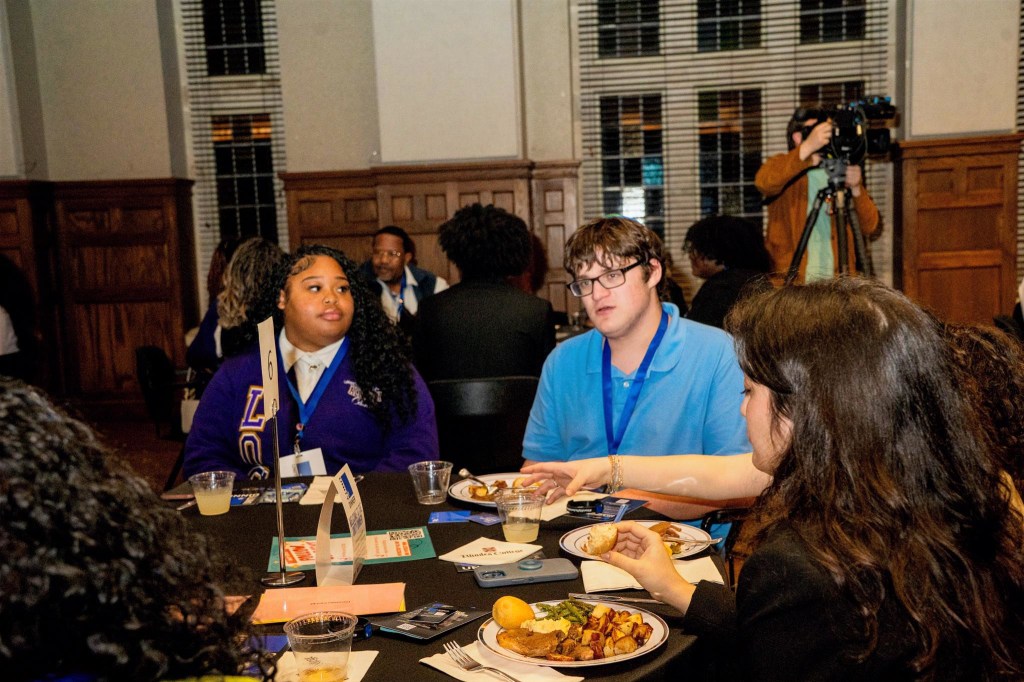
Black and Jewish participants from LeMoyne-Owen College, Rust College, Rhodes College, and the University of Memphis engaged in facilitated table conversations with discussion cards designed to guide dialogue. Prompts included questions such as “Why are you here?” “What is freedom?” and “What do you wish people outside your identity group understood about your community?”
“Students said they really valued the chance to have honest conversations with peers from different backgrounds. Many shared that they felt seen, heard, and inspired by the perspectives of others, and that it challenged them to think differently about their own communities,” said Phoenix Goldberg, director of Hillels of Memphis. “The success of the event came from the openness and courage of students who were willing to ask difficult questions and listen deeply. The thoughtful facilitation and welcoming environment made it easy for meaningful dialogue to happen.”
In addition to the efforts of the national partners, many local partners collaborated to bring this event to life including Federation’s Community Relations Council, Hillels of Memphis professional and student leaders, and faculty and staff from all the participating campuses. “Organizing the event required substantial coordination among the local host committee across multiple campuses and community partners,” explained Rebecca Tuvel, a host committee member, associate professor, and chair of the Department of Philosophy at Rhodes.
The Unity Dinners are about more than just discussion. They’re about relationships and continued dialogue that extend beyond a single evening.
“Students left the evening motivated to continue building connections and exploring these conversations on their campuses and in their communities,” said Goldberg. “The event planted seeds for ongoing collaboration and mutual understanding.”
“Students from different colleges were even heard organizing a meet-up for Shabbat dinner,” added Tuvel, “suggesting the event sparked real connections that will likely continue.”
Students left the dinner with name tags featuring a QR code that allows participants to apply for mini-grant funding to host their own events in the future. Organizers are also looking into Hillel students visiting HBCUs to further support those connections.
“The Tikkun Olam Initiative created a setting where students felt comfortable speaking openly about their various experiences and perspectives,” added Jessica Cowan, associate director of the Turley Center for Community Engagement at Rhodes, “and overall engagement was excellent.”
“Students walk away from the Unity Dinners creating friendships, raising awareness about each other’s cultures, and laying the foundation for allyship between the two groups in fighting against hate on college campuses,” noted Dr. Eaves.
If the Memphis dinner is any indication, the work of building understanding, one conversation and meal at a time, has already begun.
 Jewish Community Partners
Leave a comment